Most water heater trouble can wait for a scheduled visit. A few situations cannot, and telling them apart protects both your home and your family. A tank that has split along a seam does not stop after emptying its own capacity, because the cold supply keeps refilling it, so an unattended leak can move hundreds of gallons into flooring, drywall, and the rooms below. A temperature and pressure relief valve that keeps discharging is telling you that pressure or heat inside the tank has gone past its safe limit. Water at the faucet hot enough to scald usually points to a thermostat or gas control that has failed on the hot side. And any smell of gas near the heater is a safety event before it is a repair job. In Taylor, MI, these are the calls we treat as genuine emergencies.
Safety comes before the phone call to us. If you smell gas, leave the house right away, do not flip light switches or unplug anything on the way out, and call your gas utility or 911 from outside. Once gas is ruled out, close the cold-water shutoff on the line feeding the heater; if it is stuck or out of reach, shut the main water valve for the house. On a gas unit, set the gas control to OFF. On an electric unit, switch off its breaker, and never touch the panel while standing in water. If the relief valve is discharging, leave it open and never plug its pipe, because that valve is the only thing keeping an overheated tank from failing violently. Then call (734) 280-6312 and we will take it from there.
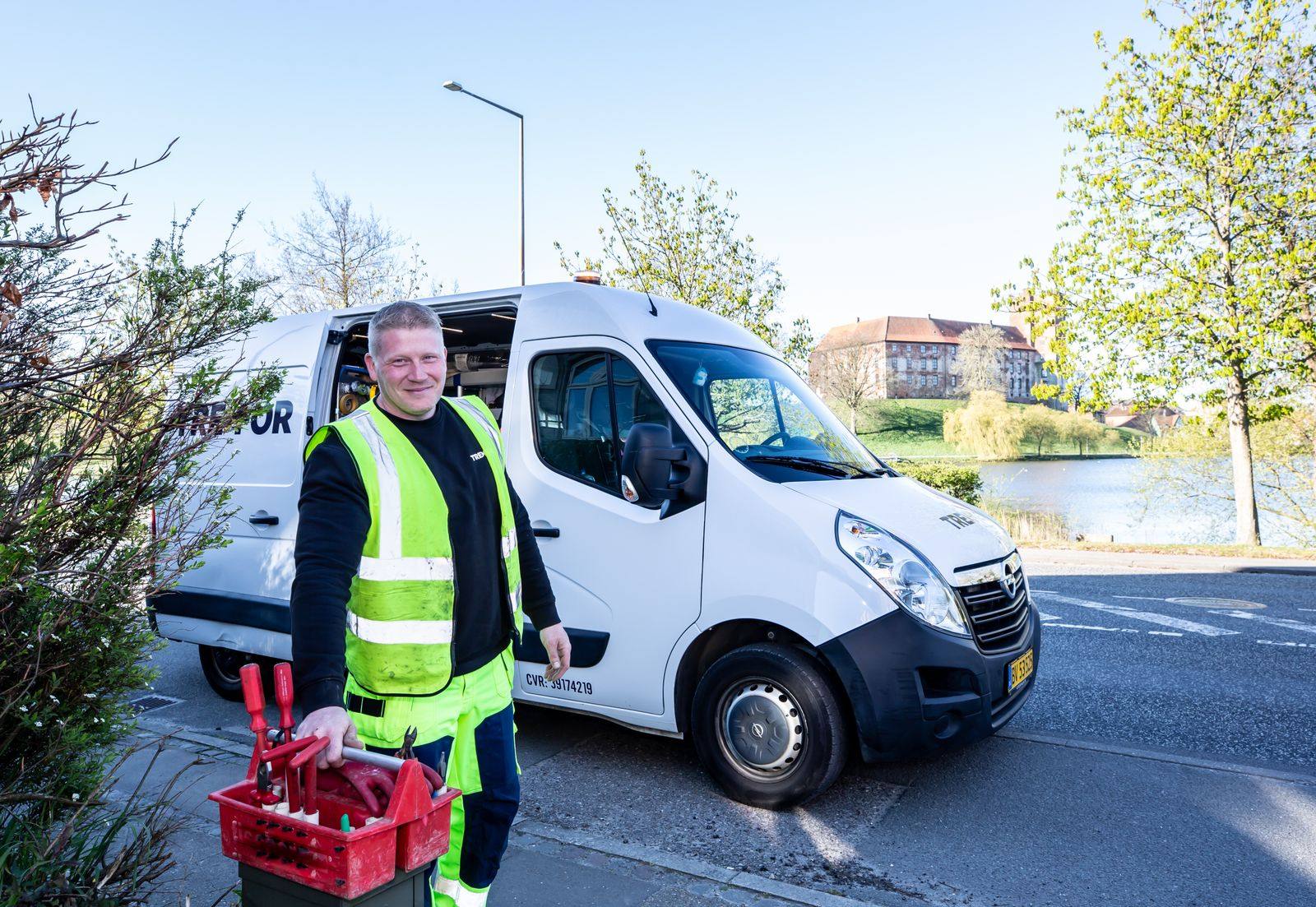
When you reach Taylor Water Heater, we start by asking what you see, hear, and smell, and we confirm the shutoffs are holding before a truck rolls. We dispatch as quickly as we can and give you an honest arrival window rather than a promise we cannot keep. Our trucks carry the parts behind most urgent failures, including relief valves, thermocouples, flame sensors, heating elements, thermostats, drain valves, and supply connectors, so plenty of emergencies are fixed in a single visit. When the tank itself has failed, patching it would not be honest work, so we explain replacement options, secure the area, and get hot water back as soon as the new heater is in. For emergency water heater repair in Taylor, call (734) 280-6312.
What homeowners call us about most is Water Heater Repair in Taylor. That's the place to start for most homes.
How to Tell Something Is Wrong
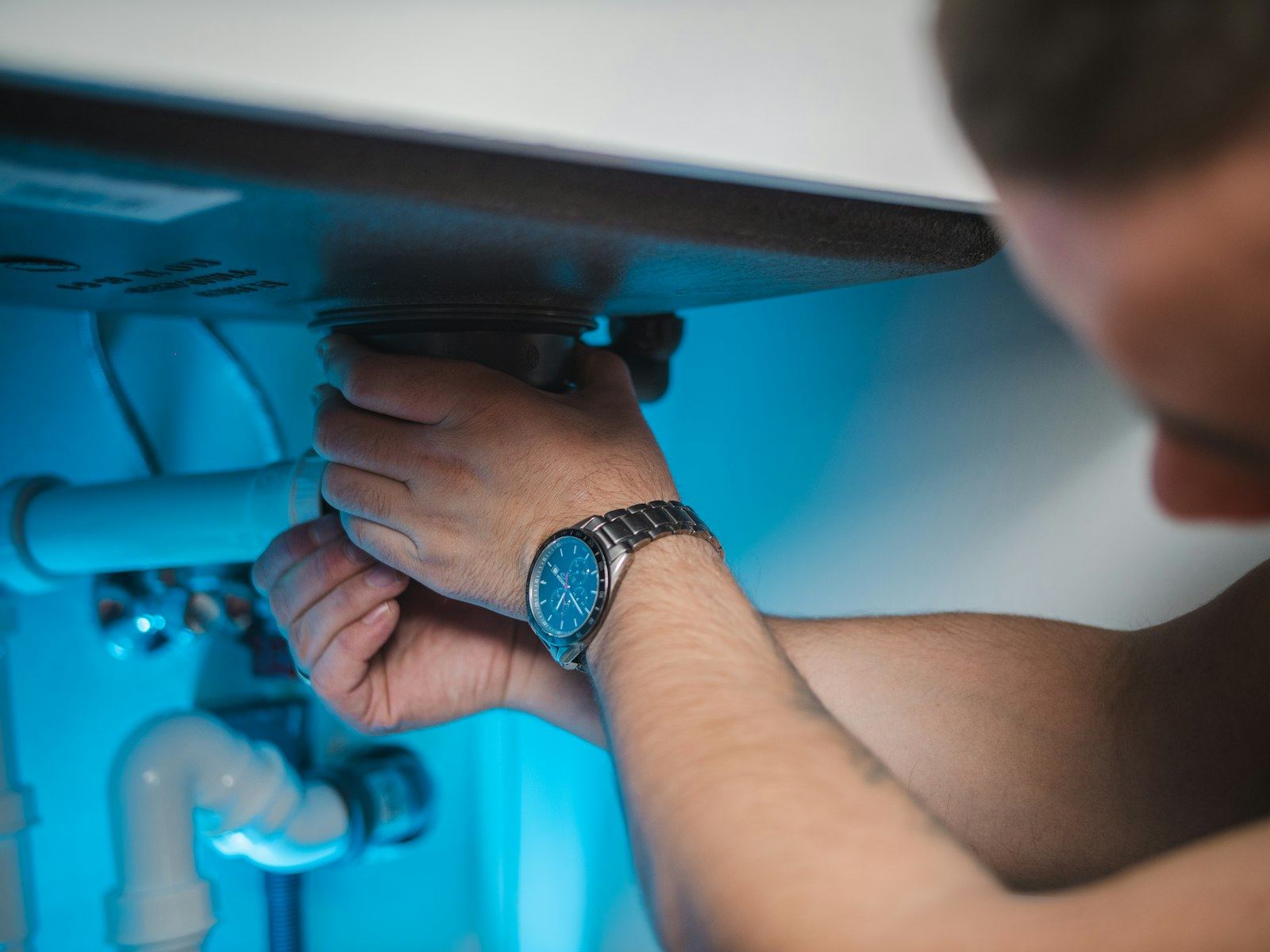
Water heaters usually give plenty of warning before they fail, as long as you know what to look and listen for. These are the red flags our technicians see most often before a breakdown:
- The smell of gas near the unit, a situation that calls for evacuating and phoning the utility or 911
- Sudden loud knocking or boiling sounds coming from inside the tank
- Tap water hot enough to burn, even at the usual setting
- The relief valve on the side of the tank dripping, hissing, or discharging
- Signs of scorching or backdrafting around the base or top of a gas heater
- No hot water at all, even after waiting for the tank to recover
- An electric water heater that keeps tripping its circuit breaker
- Standing water around the water heater that returns after you wipe it up
Don't Wait for a Total Failure
A worn-out anode rod, a sediment-choked tank, or a weak thermocouple rarely fixes itself, and the repair usually costs more the longer it waits. A quick call to (734) 280-6312 gets a technician out to check it before it becomes an emergency.
No Hot Water? We Can Help.
One call gets a technician scheduled and a clear price before any work starts.
Tap to Call (734) 280-6312What Homeowners Ask Us Most
Why Hire a Professional for Emergency Water Heater Repair?
A water heater emergency packs several hazards into one closet or garage corner. There is water on the floor near a 240-volt circuit on electric models, or near a gas valve, burner, and flue on gas units. There is a tank holding water at high temperature and household pressure. And there is a safety valve that, if it is discharging, has a reason for it. Homeowners sometimes try to stop the relief valve by capping it, crank on a leaking fitting until it snaps, or relight a pilot beside a gas smell, and each of those can turn a bad afternoon into something far worse. The safest moves for a homeowner are the simple ones: leave for gas, then shut off water and energy, then call for help.
A trained technician brings the right order of operations and the right parts. Our team confirms the heater is isolated, tests for gas leaks with a detector and soap solution rather than guessing, checks household water pressure and thermal expansion when a relief valve has been discharging, and inspects the vent for proper draft before a gas unit is restarted. Equally important, we tell you honestly when a heater can be repaired and when it cannot. A leaking seam or rusted-through bottom cannot be fixed, while a failed valve, fitting, or element usually can, and the difference is often a modest repair bill versus the cost of a whole new unit. You get that answer before any work begins.
Our Emergency Water Heater Repair Process
Our workflow is simple and thorough, so nothing gets missed between the fuel supply and the relief line. Here's the short version:
Make It Safe by Phone
We start on the phone: confirm there is no gas odor, help you close the cold supply and turn off gas or power, and talk through what to move out of the water's path.
Secure the Area
You get a straight answer on timing, not a promise we cannot keep. Once on site, we check the shutoffs, the gas or electrical supply, and the vent before touching the heater itself.
Find the Failure, Fix It
We trace the real cause, whether that is a worn valve, a rotted fitting, or a dead element, and repair it on the spot when the part is on the truck.
Safe Restart
Restarting correctly matters. We fill the tank before power or gas returns, check fittings and the relief valve for leaks, verify draft on gas units, and leave the thermostat near 120F.
Want a Professional Opinion?
Tell us the age, fuel type, and symptoms, and we'll help you sort out the next step.
Call (734) 280-6312 NowTips to Keep Your Water Heater Healthy
A few simple habits, like an annual flush and a quick look at the relief valve, can add years to a tank. Here's where to begin:
- Consider an automatic leak shutoff that stops the cold supply the moment water hits the floor
- Ask about a drain pan and drain line, especially for heaters in attics, closets, or above finished rooms
- A 120F setting is safer for skin and easier on the heater than the hottest setting
- Tag the water heater supply valve and the main shutoff so nobody has to search during a leak
- Test the T&P valve annually; a valve that sticks or weeps afterward should be replaced
- Annual flushing keeps sediment from causing the rumbling and hot spots that lead to leaks
- Leave clear space around a gas heater and never store flammable liquids nearby
DIY vs. Professional Emergency Water Heater Repair
The line between a safe DIY check and a risky repair is usually the moment you need to open a gas fitting, a vent connection, or an electrical cover. A side-by-side look:
| Factor | DIY Attempt | Hiring a Pro |
|---|---|---|
| Gas Odor | Risk of ignition while investigating | Leak detector and soap test after the area is cleared |
| Stopping the Leak | Seized valves forced until they break | Supply isolated fast, stuck valves handled safely |
| T&P Discharge | Discharge silenced without finding the cause | Cause found: pressure, expansion, or overheating |
| Electrical Hazard | Live wiring close to a flooded area | Circuit verified dead before any work |
| Diagnosis | Guessing between valve, fitting, and tank | Leak and failure point pinpointed |
| Outcome | Problem likely to return | Lasting repair or honest replacement advice |
Let's Get Your Hot Water Back
Cold showers and damp floors don't get better on their own. Taylor Water Heater can have a technician headed your way soon.
Call (734) 280-6312 NowWhere We Provide Emergency Water Heater Repair
We serve Taylor and its neighboring towns for emergency water heater repair, from quick same-day repairs to planned installs.